



Medical Equipment Moving: A Comprehensive Guide
GET A Free Quote

Years of Experience
35+
Moves Completed
40,000+
Customers Happy
94%
Claim Rate
2%
Medical Equipment Moving: A Comprehensive Guide
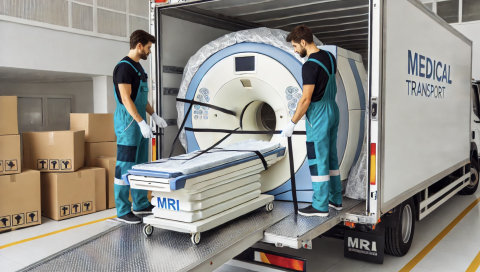
Medical Equipment Moving: A Comprehensive Guide
Whether you're overseeing the relocation of a small clinic, a large hospital, or a specialized laboratory, moving medical equipment demands precision, care, and expertise. This comprehensive guide is tailored to your specific needs, providing everything you need to know about medical equipment moving, from selecting the right moving company to ensuring a smooth transition.
Relocating medical equipment is a daunting task that involves more than packing and shipping. The sensitivity and value of medical devices necessitate a meticulous approach. Finding the right professionals is crucial, from medical equipment to lab moving companies.
Why Choose Professional Medical Equipment Movers
Expertise and Experience
Professional medical equipment movers provide a sense of security and confidence. They have the experience and expertise to handle delicate and expensive medical devices. They understand the unique challenges of moving medical equipment, such as maintaining calibration, ensuring sterility, and preventing damage.
Specialized Equipment and Techniques
These companies use specialized equipment and techniques for moving medical devices, such as custom crates, climate-controlled transport, and advanced lifting and handling tools.
Regulatory Compliance
Professional movers ensure compliance with all relevant regulations and standards. This is particularly important when transporting medical equipment across state lines.
Insurance and Liability
Hiring a professional company provides peace of mind. They offer comprehensive insurance coverage, protecting your valuable equipment during the move.
Steps to Choosing the Right Medical Equipment Moving Company
Research and Recommendations
Start by researching potential moving companies. Look for those specializing in medical equipment moving. Seek recommendations from colleagues or industry associations.
Check Credentials
Verify the company’s credentials, including licenses, certifications, and insurance. Ensure they meet all regulatory requirements for handling and transporting medical equipment.
Request a Detailed Proposal
Ask for a detailed proposal outlining their approach, equipment, and costs. Compare multiple proposals to find the best fit for your needs.
Read Reviews and Testimonials
Look for reviews and testimonials from previous clients. This can provide insights into the company’s reliability, professionalism, and customer service.
Assess Communication and Support
Effective communication is not just important; it's crucial. Choose a company that offers clear, transparent communication and ongoing support throughout the moving process. This ensures you are always involved and informed, making the process smoother and less stressful.
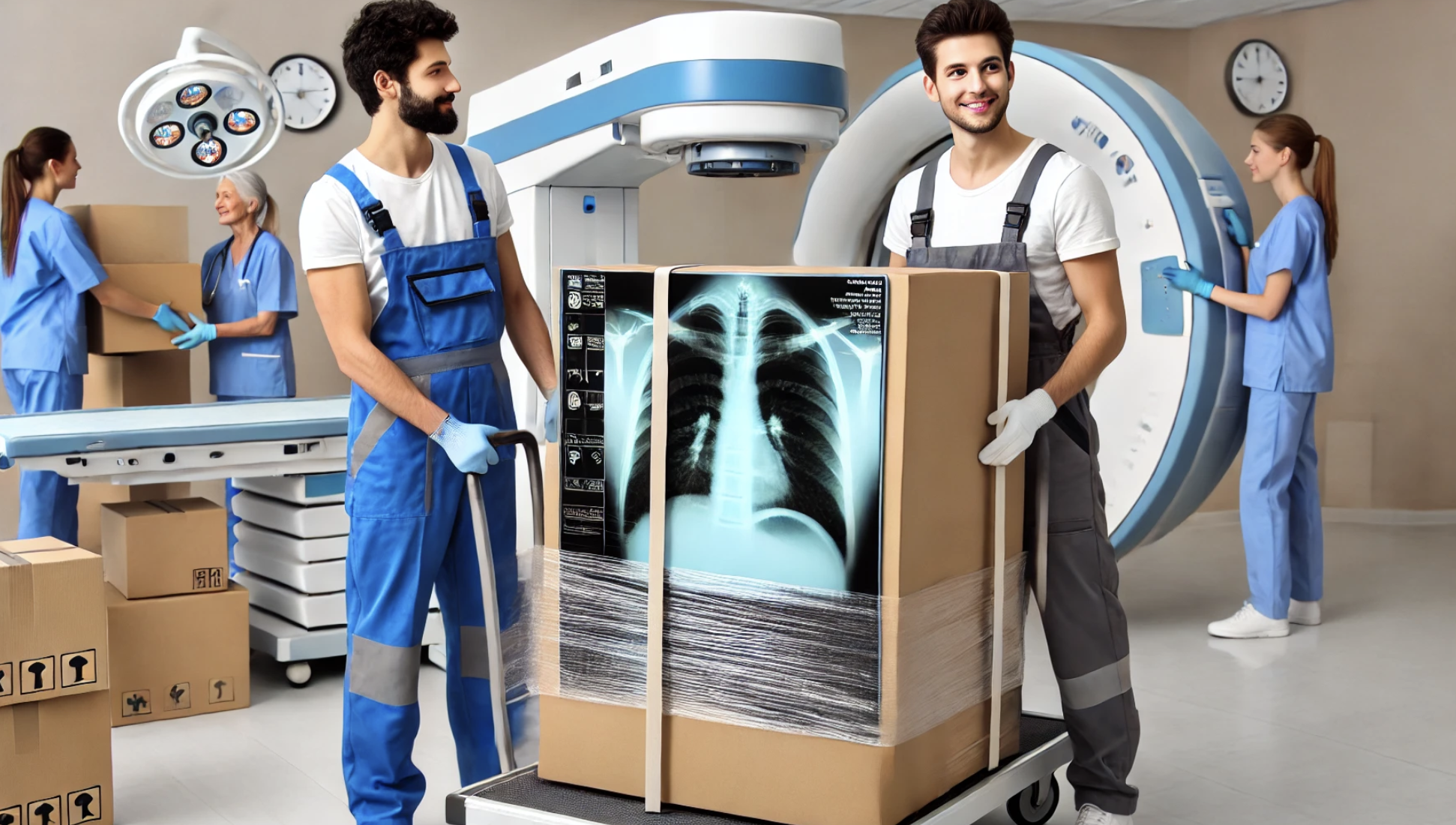
Preparing for the Move
Inventory and Assessment
Conduct a thorough inventory of all equipment to be moved. Assess the condition of each item and document any pre-existing damage.
Develop a Detailed Plan
Work with the moving company to develop a detailed moving plan. This should include timelines, transportation routes, and specific handling instructions for each piece of equipment.
Coordinate with Staff
Ensure all relevant staff members are informed and involved in the moving process. This includes technicians, medical professionals, and administrative staff.
Backup and Security Measures
Implement backup and security measures to protect sensitive data and ensure continuity of care during the move. This may involve temporary relocation of critical equipment or services.
During the Move
Supervision and Oversight
Assign a dedicated team to supervise the move. This team should include representatives from both the moving company and your organization.
Maintain Communication
Effective communication with the moving company is a key factor in the success of your move. Regular updates on the move's progress can help address any issues promptly, ensuring a smooth and efficient transition.
Handle with Care
Ensure all equipment is handled with the utmost care. Follow the moving plan closely and make adjustments as necessary to prevent damage.
Monitor Environmental Conditions
Monitor environmental conditions such as temperature and humidity during transport for sensitive equipment. If necessary, use climate-controlled vehicles.
Post-Move Procedures
Inspection and Testing
Once the equipment arrives at the new location, conduct a thorough inspection. Test each piece of equipment to ensure it functions correctly and recalibrate if necessary.
Address Any Issues
Promptly address any issues that arise. Work with the moving company to resolve any damage or malfunctions.
Update Records
Update your inventory records and document any changes in the condition of the equipment.
FAQ
1. What is the cost of moving medical equipment?
The cost varies depending on the size and complexity of the move. Factors include the number of items, distance, and special handling requirements. Request detailed quotes from multiple companies for accurate estimates.
2. How do I find reliable medical equipment movers?
Research companies that specialize in moving medical equipment. Check credentials, read reviews, and seek recommendations from industry professionals.
3. Can all types of medical equipment be moved?
Most medical equipment can be moved, but some items may require special handling or disassembly. Consult with the moving company to determine the best approach for each piece of equipment.
4. How do movers ensure the safety of medical equipment during transit?
Movers use specialized packing materials, climate-controlled vehicles, and advanced handling techniques to ensure the safety of medical equipment. They also offer insurance coverage for added protection.
5. What should I do if my equipment is damaged during the move?
Report any damage to the moving company immediately. Document the damage with photos and detailed descriptions. Work with the company to file an insurance claim and resolve the issue.
6. How long does the moving process take?
The duration depends on the size and complexity of the move. A small clinic may be relocated in a few days, while a large hospital may take several weeks. Discuss timelines with the moving company during the planning stage.
7. Can I move medical equipment myself?
While moving some smaller items yourself is possible, professional movers are recommended for larger or more sensitive equipment. They have the expertise and equipment to ensure a safe and efficient move.
Moving medical equipment is a complex and challenging task that requires careful planning and professional expertise. You can ensure a smooth and successful transition by choosing the right medical equipment moving company and following a detailed moving plan. Whether you are relocating a clinic, hospital, or laboratory, the tips and information provided in this guide will help you confidently navigate the process.
For reliable and experienced medical equipment movers, consider partnering with Affordable Moving & Storage, your trusted partner in seamless relocations.
