




How to Prepare Furniture for Long-Distance Moving?
GET A Free Quote
Years of Experience
35+
Moves Completed
40,000+
Customers Happy
94%
Claim Rate
2%
How to Prepare Furniture for Long-Distance Moving?
How to Prepare Furniture for Long-Distance Moving?
Preparing your furniture for long-distance moving requires planning, proper packing, and reliable transport. As per the United States Census Bureau (2023), over 31 million people moved in the U.S. in 2022- about 9.3% of the population- highlighting how common long-distance relocations have become.
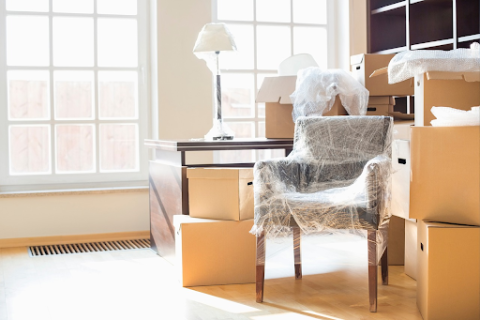
To protect your belongings, start by cleaning and dismantling large furniture items. Wrap delicate surfaces with moving blankets or bubble wrap to prevent scratches and dents. Label all parts and hardware clearly for easy reassembly.
Hiring long-distance movers or a reputable long-distance moving company ensures professional handling, comprehensive insurance coverage, and timely delivery. Reputable long-distance moving companies also offer packing materials, loading assistance, and custom crating for valuable pieces. With proper preparation, your furniture can arrive safely and be ready to make your new house feel like home.
1. Understanding Long-Distance Moves
Before selecting the best long-distance moving companies, it is helpful to understand what defines a long-distance move and why preparation is crucial. These moves often cross state lines and involve higher costs, logistics, and risks compared to local relocations.
What Is a Long-Distance Move?
A long-distance move typically refers to an interstate relocation, which is any move that crosses state boundaries or exceeds 400 miles. These moves require special licensing and compliance with federal regulations, which is why most people rely on professional long-distance movers. The total distance, shipment weight, and any additional services determine pricing. Reliable long-distance moving companies provide transparent estimates and insurance to safeguard your belongings throughout the process, ensuring a seamless transition from your old home to your new destination.
Average Costs and Common Risks
The average cost of a long-distance move is $4,890, underscoring the importance of protecting high-value furniture (Forbes, 2023). This cost depends on factors such as distance, item volume, and the chosen services. With thousands of moves each year, accidental damage is not uncommon- furniture often suffers scratches, dents, or structural issues if improperly packed. Choosing a reputable long-distance moving company can reduce these risks through professional handling, high-quality packing materials, and comprehensive insurance. Investing in experienced long-distance movers ensures your furniture arrives safely, preserving both its monetary and sentimental value.
2. Pre-Move Planning and Assessment
When learning how to prepare furniture for long-distance moving, a solid plan helps prevent damage and stress. Before packing, take the time to assess the size and layout of your furniture and determine the right moving approach for your needs.
Measure Furniture & Doorways
Start by measuring your furniture, doorways, hallways, and staircases to confirm everything will fit through safely. Oversized pieces often need disassembly, saving time and preventing scratches or dents during loading. Since furniture is the most commonly damaged item during moves, this step ensures a smoother, damage-free process and reduces last-minute surprises on moving day.
Create an Inventory & Floor Plan
Document every piece of furniture, appliance, and accessory. Creating an inventory helps track items during transit and simplifies the unpacking process. Use a floor plan of your new home to pre-map where each item will go, saving time when unloading. This method is a crucial part of preparing furniture for long-distance moving, ensuring that nothing is misplaced or forgotten.
Choose a Moving Strategy
Decide between a DIY move, freight service, container delivery, or hiring professionals. According to Move.org (2023), 61% of individuals employ professional movers, while 39% opt for a DIY approach, indicating that many prefer expert handling for complex moves. Professional movers provide insurance, expertise, and peace of mind, while hybrid options offer flexibility for those balancing cost and control when planning how to prepare furniture for long-distance moving.
3. Packing Materials & Equipment
Having the right materials is key when preparing furniture for a long trip. Even the best long-distance movers rely on high-quality supplies, such as stretch wrap, bubble wrap, and corner protectors, to keep furniture safe and secure during transport.
Moving Blankets, Pads & Plastic Wrap
Thick moving blankets and furniture pads act as shock absorbers, shielding wood and upholstery from scratches or dents. Use stretch wrap to hold padding firmly in place and keep drawers or doors from opening during transit. These essentials reduce vibration damage and protect delicate finishes, especially when hiring professionals who understand the cost of long-distance moving and the materials that ensure premium care.
Bubble Wrap & Corner Protectors
For glass tables, mirrors, and framed artwork, bubble wrap offers the best cushioning against impact. Reinforce vulnerable corners with corner protectors to prevent chips or cracks. Combining both materials prevents fragile surfaces from being damaged during loading and unloading. The best long-distance movers often include these protective layers in their service, ensuring valuable furniture arrives without a single scratch or mark.
Tools & Hardware Bags
Keep a small toolkit ready for disassembling furniture, including screwdrivers, wrenches, and Allen keys: place screws, bolts, and other fasteners in labeled zip bags to avoid losing them in transit. Many long-distance movers recommend storing these bags in drawers or taping them to the furniture itself. For heavier items, use dollies to prevent injury and make the move faster and safer overall.
4. Disassembling & Protecting Furniture
Before loading the moving truck, take the time to disassemble furniture carefully and wrap it properly. This ensures safe transport, prevents costly damage, and makes handling large pieces far easier for both you and the best long-distance movers.
Safe Disassembly Techniques
Start by removing legs, drawers, and detachable parts from large furniture. Keep screws and bolts in labeled bags. Use stretch wrap to bundle loose sections and bubble wrap for delicate parts. Properly disassembling furniture reduces strain during lifting and lowers the risk of damage while loading the moving truck.
Wrapping Methods for Wood, Upholstery & Glass
For wood surfaces, use padded blankets and stretch wrap to prevent scratches. Upholstered items benefit from plastic wrapping, while glass pieces need bubble wrap and corner protectors. These layers create cushioning and moisture protection, keeping your furniture intact and ready for safe reassembly after a long-distance move.
Labeling & Reassembly Tips
Label all wrapped parts with painter’s tape to easily identify each piece. Place hardware bags in drawers or secure them to the item with tape. This helps you secure furniture efficiently during reassembly, saving time when setting up your new space after working with long-distance movers.
5. Loading Strategies
Smart packing and truck organization make a huge difference when loading a moving truck. Use the right equipment —dollies, moving straps, and fillers — to keep items balanced, protected, and easy to unload later.
Loading Order- Furniture vs. Boxes
Always load large furniture and appliances first, placing lighter boxes and fragile items last. This prevents crushing and shifting. Professional long-distance movers follow this sequence to ensure maximum stability during transport and to facilitate quicker unloading at your new home.
Securing with Straps, Fillers & Bracing
Use moving straps to secure furniture tightly against the truck walls. Fill empty spaces with blankets or cushions to stop movement. This simple technique prevents scratches and dents while maintaining balance throughout your long-distance move.
Weight Distribution & Truck Safety
When loading a moving truck, balance heavy items evenly from front to back and side to side. This prevents tipping and reduces tire wear. The best long-distance movers prioritize truck stability to keep your belongings safe on rough or long-distance routes.
6. Navigating Tight Spaces
Even perfectly wrapped furniture needs skillful handling through narrow spaces. Plan your path, clear obstacles, and utilize tools like dollies and sliders to safely and efficiently move large items without damage. This way, you can avoid common mistakes that often accompany the relocation and shifting process.
Maneuvering Through Doors & Hallways
Angle furniture pieces carefully through doorways, removing doors if necessary. Protect both walls and furniture edges with corner protectors or padding. This ensures safe passage and avoids scuffing during your long-distance move.
Stairs, Elevators & Corners
Use dollies, sliders, and spotters to guide furniture safely around tight turns and stairs. Stretch wrap keeps drawers secure, while moving straps provide control and stability. Proper coordination ensures you secure furniture effectively without injuries or property damage during your long-distance move.
7. Special Considerations by Furniture Type
Different furniture pieces need different care when packing and loading. Using the right materials and handling methods ensures your items stay secure and undamaged throughout the journey- especially when reviewing moving cost comparison options among professional movers.
Sofas & Couches
Wrap sofas with stretch wrap and moving blankets, keeping cushions in labeled bags. Stand them upright inside the truck to save space and prevent sagging. Avoid stacking heavy boxes on top. This approach protects upholstery and frame integrity during long-distance transport.
Tables & Chairs
Remove table legs and wrap them separately using bubble wrap. Stack chairs safely, seat to seat, with padding between layers. Tie everything securely using moving straps. Following these steps minimizes scratches and structural strain while making reassembly quick and easy.
Dressers, Cabinets & Armoires
Keep drawers closed with stretch wrap or remove them for lighter handling. Place pads between surfaces to prevent friction damage. Label each section for smooth reassembly later. These techniques protect wood finishes and hardware during the move.
Mirrors, Glass Tops & Artwork
When packing glass furniture, use bubble wrap and specialty mirror boxes to provide extra protection. Apply X-tape across glass surfaces to absorb shock and prevent shattering. Always transport fragile pieces vertically and label them as “fragile” to ensure movers handle them with extra care.
8. Post-Move Care & Reassembly
Once your furniture arrives, inspect everything before unwrapping. These steps help identify any potential damage for claims and make setting up your new space easier with organized reassembly tips and efficient cleanup.
Unwrapping & Inspecting for Damage
Open each package carefully, checking for cracks, dents, or missing hardware. Compare items against your inventory list and photograph any issues for potential claims. This quick assessment ensures accountability and smooth resolution if damages occur during transit.
Reassembly Best Practices
Use your pre-move photos or sketches as a guide. Follow your reassembly tips- tighten screws, reattach legs, and align drawers evenly. Taking the time during this step ensures the furniture's stability and longevity after a long-distance relocation.
Cleaning & Touch-Ups
Wipe off dust and debris that have accumulated during the move. Polish wood surfaces and inspect seals or hinges for wear. A simple cleaning routine restores shine and freshness, helping your furniture feel at home again after the long journey.
FAQs
How to pack furniture for a long-distance move?
Disassemble large items, such as tables and bed frames, first. Use moving blankets, stretch wrap, and bubble wrap to protect surfaces. Secure corners with protectors, and label all hardware bags. Load heavier pieces into the truck first, then the boxes. Hiring long-distance movers ensures professional handling and reduces the risk of damage to your belongings.
Do couches need to be wrapped in plastic?
Yes, wrapping couches in plastic stretch wrap or furniture bags protects against dirt, moisture, and tears during transport. Add moving blankets over the wrap for extra cushioning. Keep cushions in labeled bags. This double layer keeps fabric clean and intact throughout your long-distance move.
Is it worth moving furniture long-distance?
It depends on the furniture’s quality, sentimental value, and the cost of moving it. For valuable or durable pieces, professional transport is often worth it. The best long-distance movers offer insurance and secure packing, making it cost-effective compared to buying new furniture after the move.
Should I load boxes or furniture first?
Always load large furniture and heavy appliances first, then add boxes and fragile items on top or around them. This keeps the truck balanced and prevents boxes from being crushed. Using moving straps and dollies helps secure heavy furniture and makes unloading smoother.
What takes the longest to pack when moving?
Furniture and fragile items take the most time due to disassembly, wrapping, and labeling. Packing glass furniture or bulky items, such as sofas, requires patience and multiple layers of bubble wrap, pads, and corner protectors. Starting early prevents rush damage and ensures safe long-distance transport.
What materials are best for wrapping and protecting furniture?
Use moving blankets, stretch wrap, bubble wrap, and corner protectors for maximum protection. Furniture pads cushion wood and metal surfaces, while plastic wrap shields fabric from dust or moisture. For heavy lifting, dollies and moving straps reduce strain and help secure furniture safely during transit.
Wrapping Up
A successful long-distance move begins with careful preparation, high-quality packing, and the assistance of trusted professionals. From disassembling furniture to wrapping delicate pieces with bubble wrap and stretch wrap, every step helps ensure your belongings arrive safely. Choosing the right moving partner makes the process easier and stress-free. Affordable Moving and Storage provides reliable long-distance moving services, professional packing assistance, and secure storage solutions tailored to meet your specific needs. Their experienced team handles your furniture with care from start to finish, providing you with peace of mind throughout the process. Contact Affordable Moving and Storage today to schedule your move and enjoy dependable service at a fair price.
